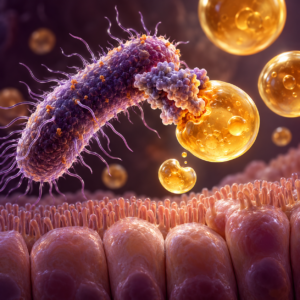
Resistant starch is often described as a fiber that reaches the colon, feeds beneficial bacteria, and increases butyrate. That description is broadly correct, but it leaves out two important variables: resistant starch is not a single substance, and every microbial community has a different capacity to ferment it.
Raw potato starch, cooked-and-cooled starch, starch enclosed within intact plant structures, and chemically modified starches differ in their accessibility to microbial enzymes. Even when the same resistant starch is consumed, the outcome depends on whether the microbiome contains organisms capable of opening the starch structure, compatible cross-feeding partners, and the conditions needed to complete fermentation.
In one human intervention, potato resistant starch increased fecal butyrate by 50 percent on average. That average concealed distinct response groups, including participants whose butyrate remained low. Other investigations have found that baseline diet, microbial competition, and individual microbiome composition can influence both metabolic responses and the clinical effects associated with resistant-starch interventions.
The full analysis in The Weekly Biome examines the different forms of resistant starch, why responses vary across individuals, how microbial ecology determines which metabolites are produced, and why a weak response to one resistant starch does not predict the response to every other form.
Continue reading in The Weekly Biome.