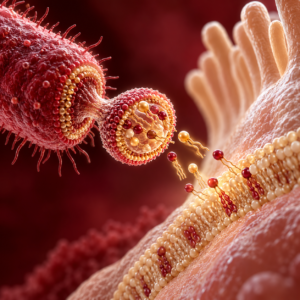
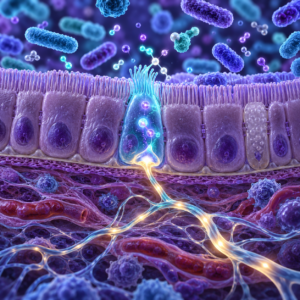
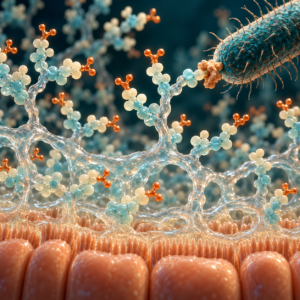
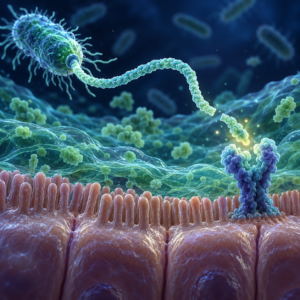
Vitamin B12 is usually described as a human nutrient. It supports DNA production, red blood cell formation, and the nervous system. A deficiency needs proper diagnosis and treatment. Bacteria in the colon also need B12 or closely related helper molecules to run important reactions. Only some bacteria can make these molecules for themselves. Others must find, import, or compete for them. This turns B12 into a shared resource inside the gut community.
The same nutrient can therefore have two effects at once. A higher B12 intake may support a person’s B12 status. It may also change which jobs are worth doing for gut microbes. These effects are not in conflict. They happen in different parts of the digestive tract and meet different biological needs.
Food releases B12 in the upper digestive tract. Most of it is absorbed near the end of the small intestine with help from a protein called intrinsic factor. Gut microbes make most of their B12 farther downstream in the colon, where this human absorption pathway is limited. B12 made in the colon may therefore be more useful to microbes than to a person’s daily vitamin supply. This is why any claim that “the microbiome makes B12” needs to explain where that production occurs.
B12 is also part of a larger family of B12-like molecules called cobamides. Different versions fit different bacterial enzymes. A gut community’s ability to use them depends on which versions are present, which bacteria can adjust them, and which bacteria can pull them into the cell. In a laboratory model using stool communities from eight healthy adults, every community made enough B12 to meet its own measured needs even when researchers added none. Extra cyanocobalamin, a common form of B12, affected each donor’s community differently. (Kundra et al., 2022)
The full analysis in The Weekly Biome examines how bacteria make, capture, and share B12-like molecules, what human studies reveal about supplementation and fermentation, and why microbial B12 production does not replace the body’s nutritional requirements.