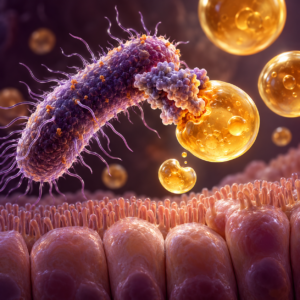
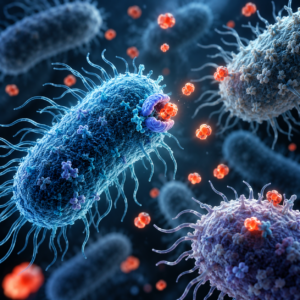
Probiotics are often presented with an appealing idea: beneficial bacteria enter the intestine, establish themselves, and become permanent members of the gut microbiome.
Most conventional probiotic strains do not behave that way.
They may appear in stool shortly after supplementation begins, remain detectable for several days after it ends, and then disappear. This raises an important question: if probiotics do not stay in the gut, how can they work?
The answer begins with a distinction between residence and function.
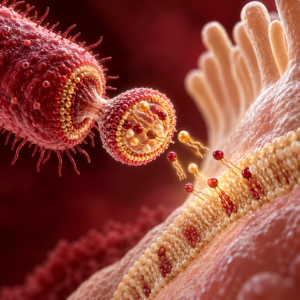
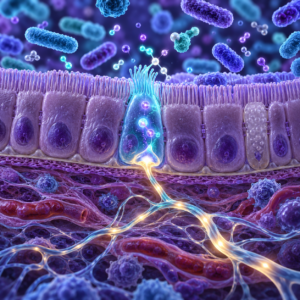
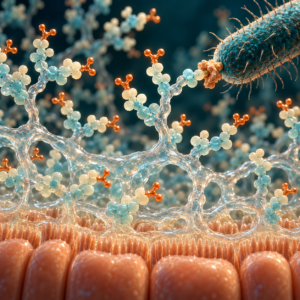
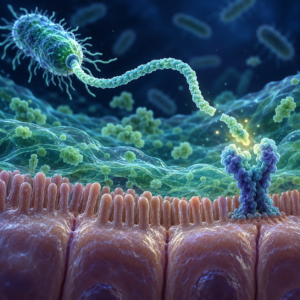
The intestine is already occupied by a complex microbial community that determines which incoming microorganisms can survive. Yet a probiotic does not need to become a permanent resident before it can interact with that environment. While passing through, it can produce metabolites, compete for nutrients, interact with resident microbes, and communicate with intestinal and immune cells.
Research also shows that persistence is highly individual. The same strain can remain longer in some people than in others, depending on intestinal transit and the microorganisms already present (Tremblay et al., 2023; Goswami et al., 2026).
The full analysis in The Weekly Biome examines what probiotic colonization actually means, why stool detection does not prove permanent residence, how the existing microbiome influences which strains remain, and why temporary does not mean inactive.
Continue reading in The Weekly Biome.