For a long time, the intestine seemed easy to understand. Food went in, nutrients came out, and whatever the body did not need was sent on its way.
That picture is now looking remarkably outdated.
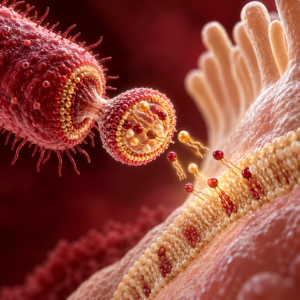
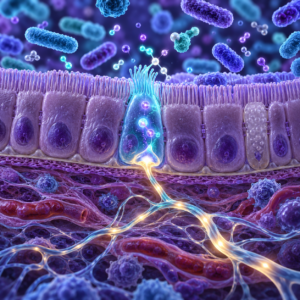
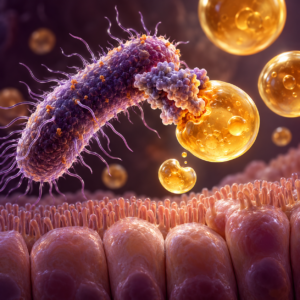
The intestinal lining is not merely a wall separating food from blood. It is a living, highly selective interface—one that constantly decides what is allowed into the body and what must remain outside. It has to let water, minerals and nutrients through while keeping microbes, toxins and potentially dangerous molecules under control.
And this barrier is not fixed.
It opens. It closes. It adapts.
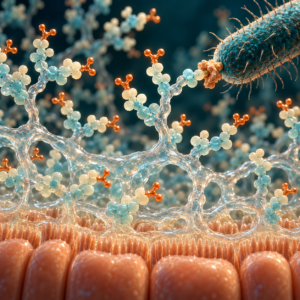
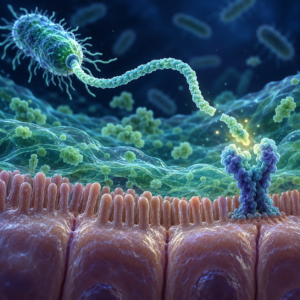
Zonulin is one of the molecules involved in regulating movement across the intestinal barrier.
Zonulin has not been established as the cause of a mysterious disease. Its scientific importance lies in the possibility that it participates in a much larger biological system connecting intestinal permeability, inflammation, metabolism and communication between the gut and the brain. The five papers examined in this analysis illustrate how far that story has expanded. They also explain why researchers are becoming more careful about what zonulin measurements can actually tell us.
The complete analysis is free to read. Subscribe to The Weekly Biome to receive future evidence-based microbiome analysis from NEMI.