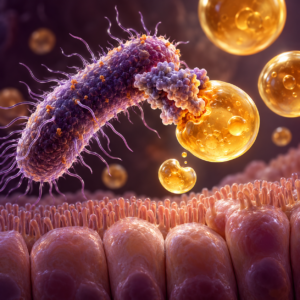
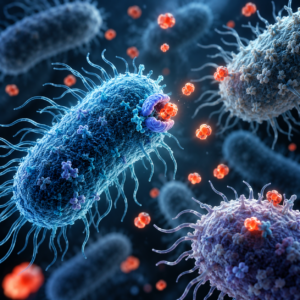
The gut and the brain are in constant conversation. That much is well established. But whether psychological stress can actually reshape the bacterial communities living in the digestive tract has remained surprisingly unclear. A systematic review published in Neuropsychobiology pulled together the evidence from 13 human studies to find out.
The research team analyzed data from over 1,500 participants across studies that measured both psychological stress and gut microbiome composition. The signal was consistent: stress is associated with measurable shifts in the bacterial populations of the digestive system. And the changes follow a pattern.
Several studies in the review found that higher psychological stress corresponded with lower populations of Lactobacillus, a group of beneficial bacteria that helps maintain the protective lining of the intestine and has been independently linked to mood regulation and anxiety reduction. Other bacterial groups moved in the opposite direction. Populations of Bacteroides and Clostridium increased under higher stress conditions in multiple studies.
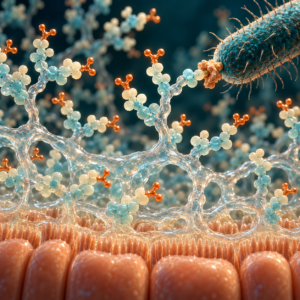
The mechanism behind these shifts involves several overlapping pathways. Stress triggers the release of cortisol, which alters the chemical environment inside the intestine. It also changes gut motility (how quickly food moves through the digestive tract), affects digestive enzyme secretion, and can degrade the protective mucus layer lining the intestinal wall. Each of these changes shifts the competitive landscape for different bacterial species.
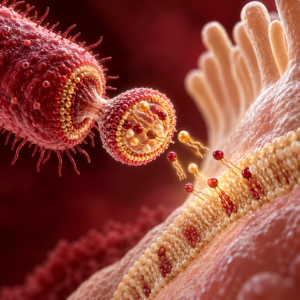
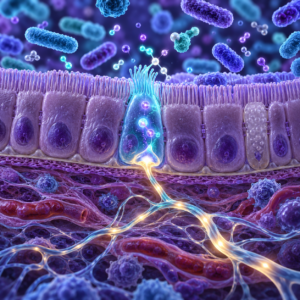
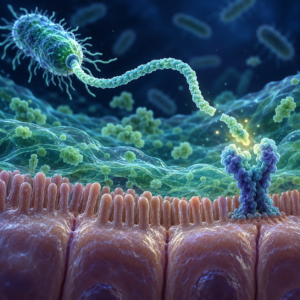
What makes this more than a one-directional story is the growing evidence that the relationship runs both ways. The bacterial communities in the gut appear to influence stress responses through what researchers call the gut-brain axis: a communication network where the gut and the brain exchange signals through nerves, hormones, and the immune system. Stress changes the microbiome, and the microbiome may change the stress response.
The review also noted that age, sex, and ethnicity may influence how stress affects gut bacterial composition, though the current evidence is not detailed enough to draw firm conclusions on these variables.
Limitations worth noting. Most of the 13 studies were relatively small, and they used different methods to measure both stress levels and microbiome composition. This variation in methods makes direct comparisons across studies difficult and means the strength of any single association should be interpreted cautiously. Larger studies that follow the same participants over time would significantly strengthen these findings.
Still, the consistency of the signal across diverse study designs is notable. The link between psychological stress and gut microbiome composition is real, even if the precise mechanisms and clinical applications are still being mapped.
Source: Ma, L., Yan, Y., Webb, R. J., Li, Y., Mehrabani, S., Xin, B., Sun, X., Wang, Y., & Mazidi, M. (2023). Psychological stress and gut microbiota composition: A systematic review of human studies. Neuropsychobiology, 82(5), 247-262.