
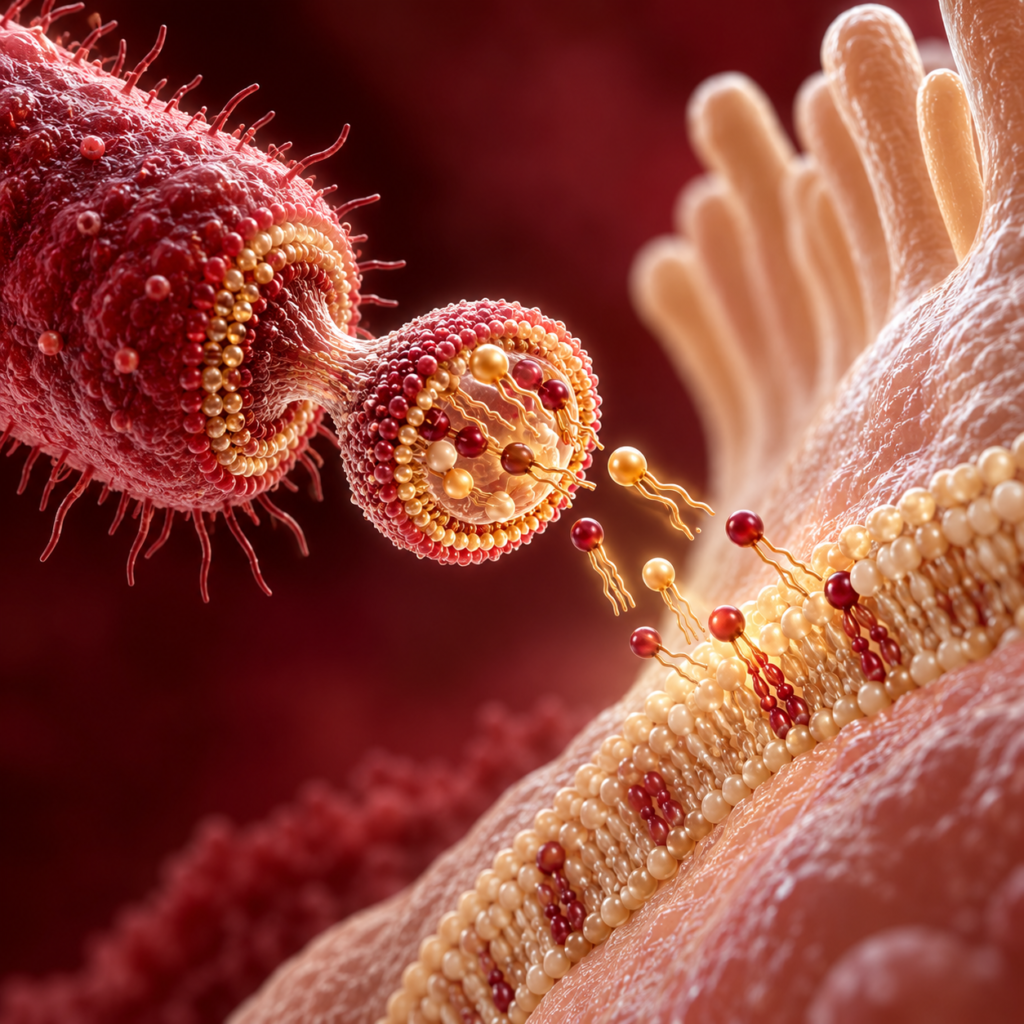
Some Gut Bacteria Make Lipids the Host Can Use
Sphingolipids are fats with several jobs. They help build cell membranes and take part in signals that control inflammation, cell survival, and metabolism. Ceramides, one well-known group, are often studied in insulin resistance and fatty
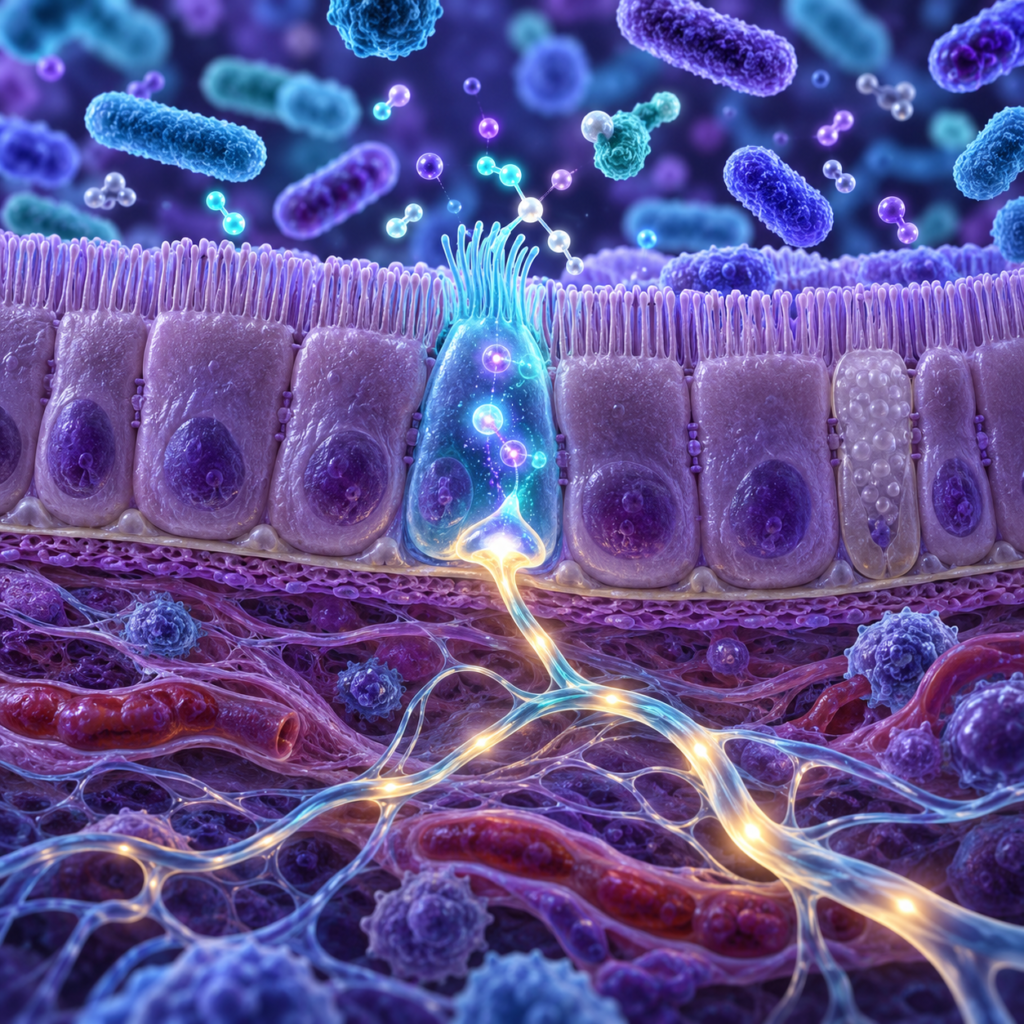
Microbial Metabolites Can Tune the Vagus Nerve
The vagus nerve is often described as a telephone line between gut microbes and the brain. That comparison is useful, but it can be misleading. Most gut bacteria never touch the nerve, and most bacterial
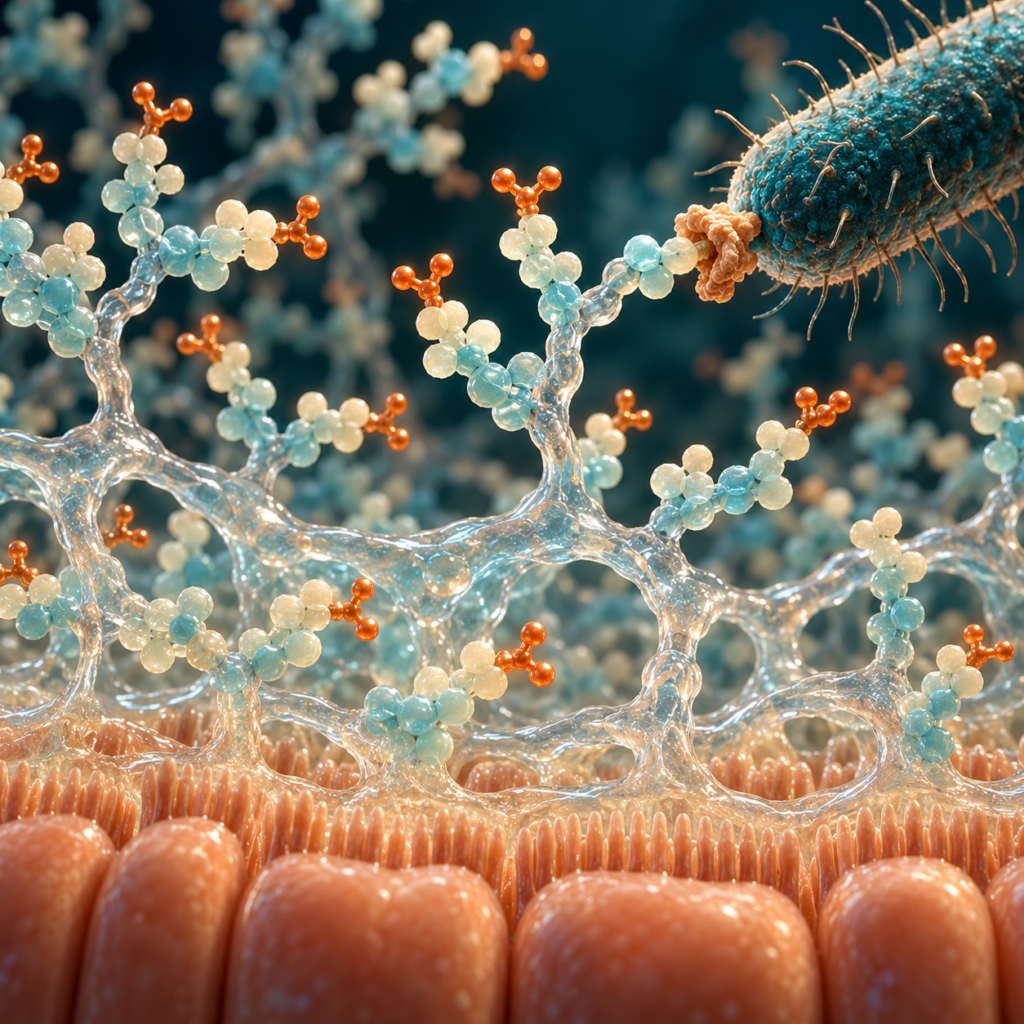
The Sulfate Locks on the Gut’s Mucus Barrier
The mucus lining the colon is more than a passive gel. It is both a protective barrier and a carefully managed food source for certain gut microbes. Its main protein, called MUC2, is covered with
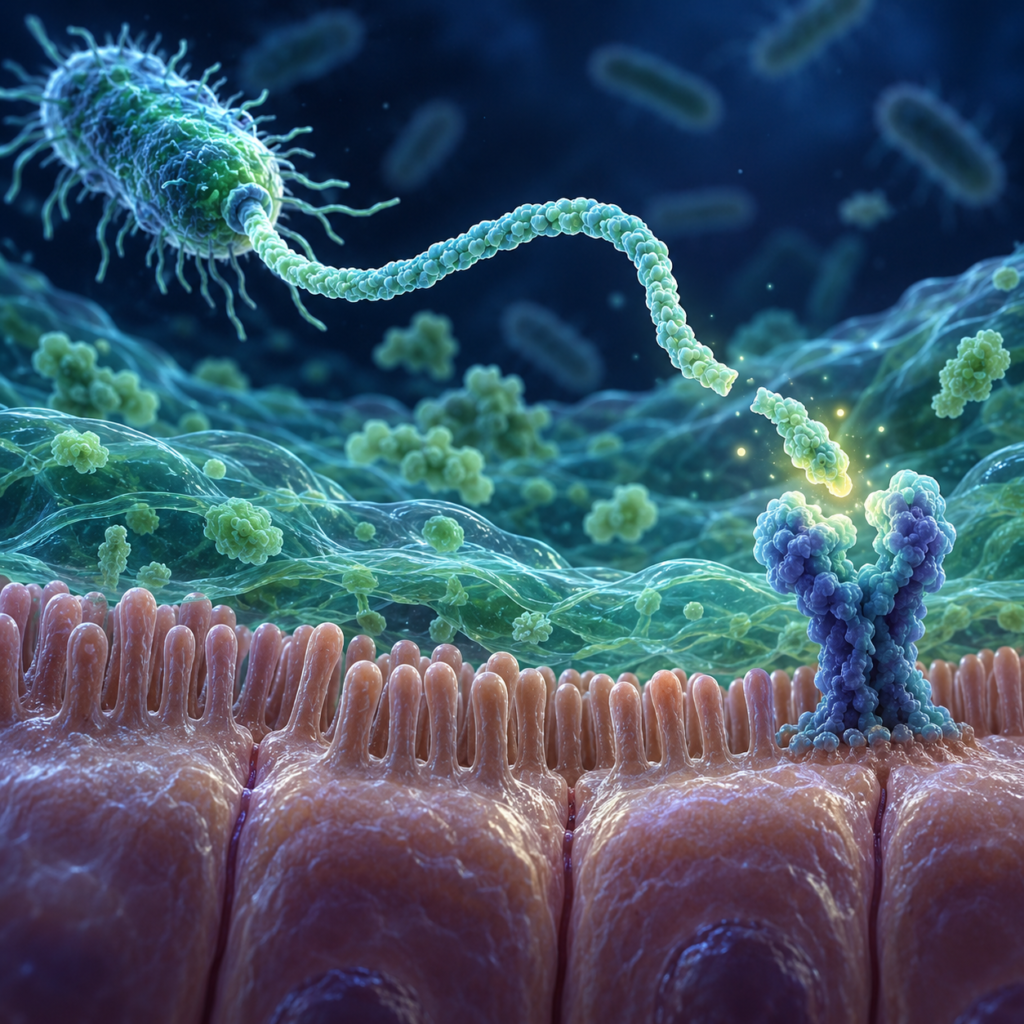
Flagellin Is a Context-Dependent Gut Alarm
Flagellin is the protein building block of a bacterial flagellum, the rotating tail that lets many bacteria move. The immune system detects flagellin with a sensor called Toll-like receptor 5, or TLR5. This basic description
