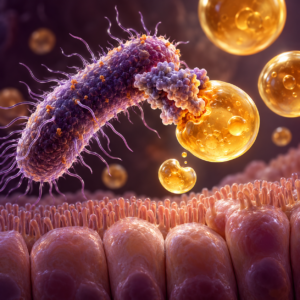
How Your Bacteria Might Be Keeping You Awake
Have you ever noticed that after a night of tossing and turning, your stomach feels a bit off? Or perhaps when you eat poorly, you find it harder to drift away? Scientists have long suspected a link between our gut and our sleep, but a major study published in the journal General Psychiatry has finally found evidence that it is not just a coincidence. Your gut bacteria might actually be causing your insomnia. Here is a simple breakdown of what researchers discovered.
The Garden in Your Gut
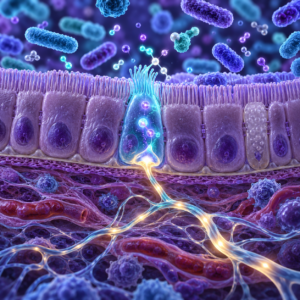
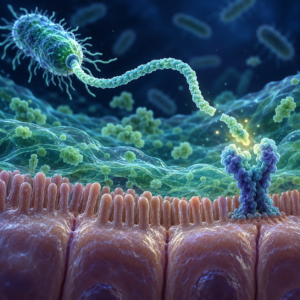
Inside your digestive system live trillions of tiny organisms called microbes. Think of your gut like a garden. In a healthy garden, you have helpful plants that provide oxygen and beauty. You also have weeds that, if they grow too large, can take over and cause problems. Researchers looked at the DNA of nearly 400,000 people to see which plants and weeds were linked to sleep. They found that our gut bacteria and our sleep habits are constantly talking to each other through a pathway called the Gut-Brain Axis.
The Sleep Disruptors
The study identified 14 specific types of bacteria that seem to fuel insomnia. The biggest culprit was a group called Clostridium innocuum. When these specific bacteria become too powerful in your gut, they can interfere with the way your body relaxes. They may produce chemicals that keep your brain on high alert or cause low-level inflammation that makes it physically uncomfortable to reach a deep, restful sleep. If you have a high amount of these bacteria, you are statistically more likely to struggle with falling or staying asleep.
The Sleep Protectors
On the flip side, the researchers found 8 types of bacteria that actually help protect you from insomnia. Some of these, like Lactococcus and Coprococcus, are the heroes of the story. These good bacteria do two very important things:
- They make sleep chemicals: They help your body produce serotonin, a chemical that regulates your mood and is a building block for melatonin. Melatonin is the hormone that tells your brain it is time to sleep.
- They produce fuel: They create something called butyrate, which calms the body down and helps keep the lining of your gut healthy.
| Category | Bacterial Group (Taxa) | Role in the Body / Sleep |
| Risk Factors (Higher levels linked to insomnia) | Clostridium innocuum group | Identified as the strongest causal risk factor for insomnia. |
| Prevotella 7 | Associated with increased inflammation and sleep disruption. | |
| Lachnoclostridium | Linked to altered metabolic pathways that can interfere with rest. | |
| Parabacteroides | Often found in higher concentrations in individuals with sleep apnea or chronic fatigue. | |
| Protective Factors (Higher levels linked to better sleep) | Coprococcus 1 | A major producer of butyrate, which calms the nervous system. |
| Lactococcus | Involved in the production of serotonin, a precursor to the sleep hormone melatonin. | |
| Odoribacter | Helps maintain the gut barrier, preventing toxins from entering the bloodstream and causing “brain fog.” | |
| Candidatus Soleaferrea | Found to have a positive correlation with healthy, deep sleep cycles. |
The Vicious Cycle
One of the most important findings of this study is that the relationship goes both ways. It is a feedback loop. Having the wrong bacteria makes it harder to sleep. Then, when you do not sleep enough, your body gets stressed. This stress actually kills off the good bacteria and allows the bad bacteria to grow faster. This explains why insomnia can be so hard to break. The lack of sleep actually changes your biology to make future sleep even more difficult.
The Bottom Line
Your gut is like a second brain. If you want to rest your head, you have to take care of your stomach first.
Source: Shi, S., Zhang, Y., & Chen, J. (2025). Investigating bidirectional causal relationships between gut microbiota and insomnia. General Psychiatry, 38 (4), e101855. https://gpsych.bmj.com/content/38/4/e101855