The gut microbiome can influence how vitamin A signals reach the immune system. Vitamin A is essential for intestinal immunity, but having the nutrient present in the gut does not guarantee that the cells requiring its signal will receive it. Before vitamin A can affect immune-cell development, it must be processed, transported, and delivered to the right cells at the right stage.
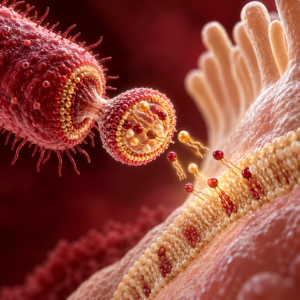
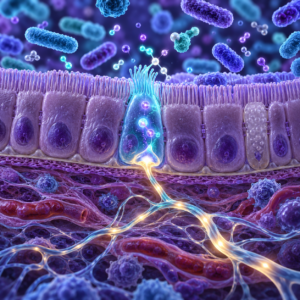
A 2026 study in Cell Host & Microbe followed this pathway in mice and identified a coordinated three-day relay between the intestinal lining and developing T cells. Microbial signals first stimulated intestinal cells to produce a carrier protein capable of binding retinol, a form of vitamin A. The nutrient was then transferred to nearby immune cells, which carried the signal from the intestine to lymph nodes located near the gut.
By the third day, the vitamin A-derived signal had reached developing T cells. There, retinoic acid, the biologically active form of vitamin A, changed gene activity associated with T-cell maturation and the ability of those cells to return to the intestine. This adds an important layer to the relationship between vitamin A and the immune system. Nutrient availability is only one part of the process. Cellular access, transport, location, and timing also determine whether a vitamin A signal produces the intended biological response.
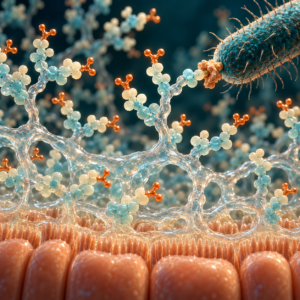
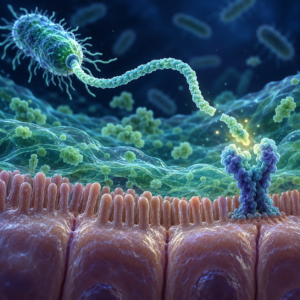
Gut microbes may influence additional parts of vitamin A metabolism as well. Different bacterial species can affect its conversion, availability, and signaling, meaning that the gut microbiome and vitamin A metabolism can intersect at several points between nutrient intake and immune function. The complete timed relay, however, has so far been demonstrated in mice rather than humans.
The full analysis in The Weekly Biome examines gut bacteria and vitamin A, how microbial signals initiate this delivery pathway, how retinoic acid reaches developing T cells, and what this mechanism changes about the relationship between the gut microbiome, vitamin A, and intestinal immunity.