Have you ever felt butterflies in your stomach before a big presentation or noticed your digestion change during a stressful week? These sensations hint at something scientists are now exploring in depth: the connection between your gut and your brain.
A 2025 review published in Frontiers in Microbiology examined how the trillions of microorganisms living in your digestive tract might influence mental health conditions like anxiety and depression. The research team from Guangxi University of Chinese Medicine analyzed dozens of studies to understand how gut bacteria communicate with the brain and whether targeting these microbes could offer new ways to support mental wellness.
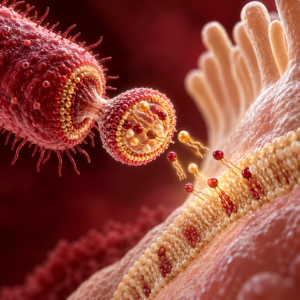
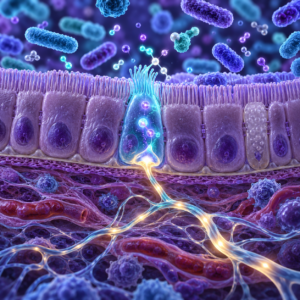
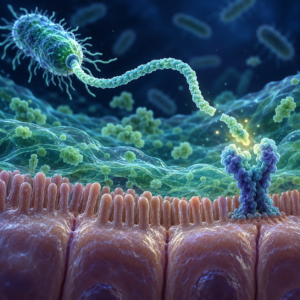
The gut and brain are connected through what scientists call the microbiota-gut-brain axis. This communication system involves multiple pathways. The vagus nerve acts as a direct line between the digestive system and the brain. Hormones released in response to stress, particularly through the hypothalamic-pituitary-adrenal axis, can alter the environment in your gut. Immune signals and inflammatory molecules also travel between these two organs. Additionally, gut bacteria produce metabolites like short-chain fatty acids that can cross into the brain and influence its function.
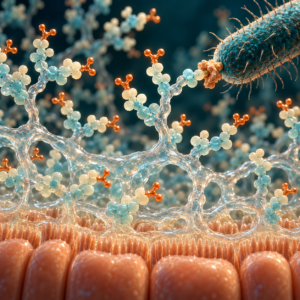
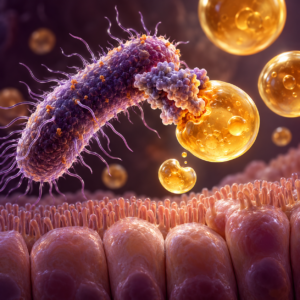
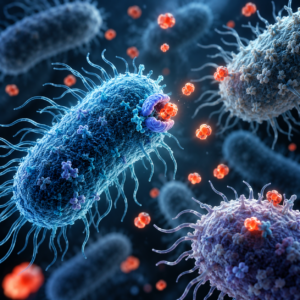
The researchers found that people with depression and anxiety often show distinct patterns in their gut bacteria. Studies have reported lower levels of beneficial bacteria such as Lactobacillus and Bifidobacterium in individuals with mood disorders. These bacteria produce neurotransmitters like serotonin and gamma-aminobutyric acid, which play important roles in regulating mood. At the same time, some studies found higher levels of pro-inflammatory bacteria in people experiencing depression.
The review also examined potential interventions. Probiotics, which are live beneficial bacteria taken as supplements, showed promise in several clinical trials for reducing symptoms of anxiety and depression. Prebiotics, which are dietary fibers that feed beneficial gut bacteria, may also support mental health by promoting the production of anti-inflammatory compounds. Fecal microbiota transplantation, a more intensive approach that transfers gut bacteria from a healthy donor to a recipient, has shown early positive results in small studies.
The researchers noted that diet plays an important role in shaping gut bacteria. The Mediterranean diet, which emphasizes fruits, vegetables, whole grains, and healthy fats, has been associated with both healthier gut microbiota and lower rates of depression in multiple studies.
While the science is still developing, this research suggests that the ecosystem inside your digestive tract may have a greater influence on your emotional state than previously understood. The gut, it seems, does more than digest food. It may also be part of the biological foundation that shapes how we feel.
Source: Zhang, R., Wang, R., Wu, H., Huang, Z., Liang, J., Zhang, R., Jiang, F., & Song, Y. (2025). Gut microbiota as a novel target for treating anxiety and depression: From mechanisms to multimodal interventions. Frontiers in Microbiology, 16, 1664800. https://doi.org/10.3389/fmicb.2025.1664800